Will Calver: Of Earth and LightDec 11, 2025 – Feb 7, 2026
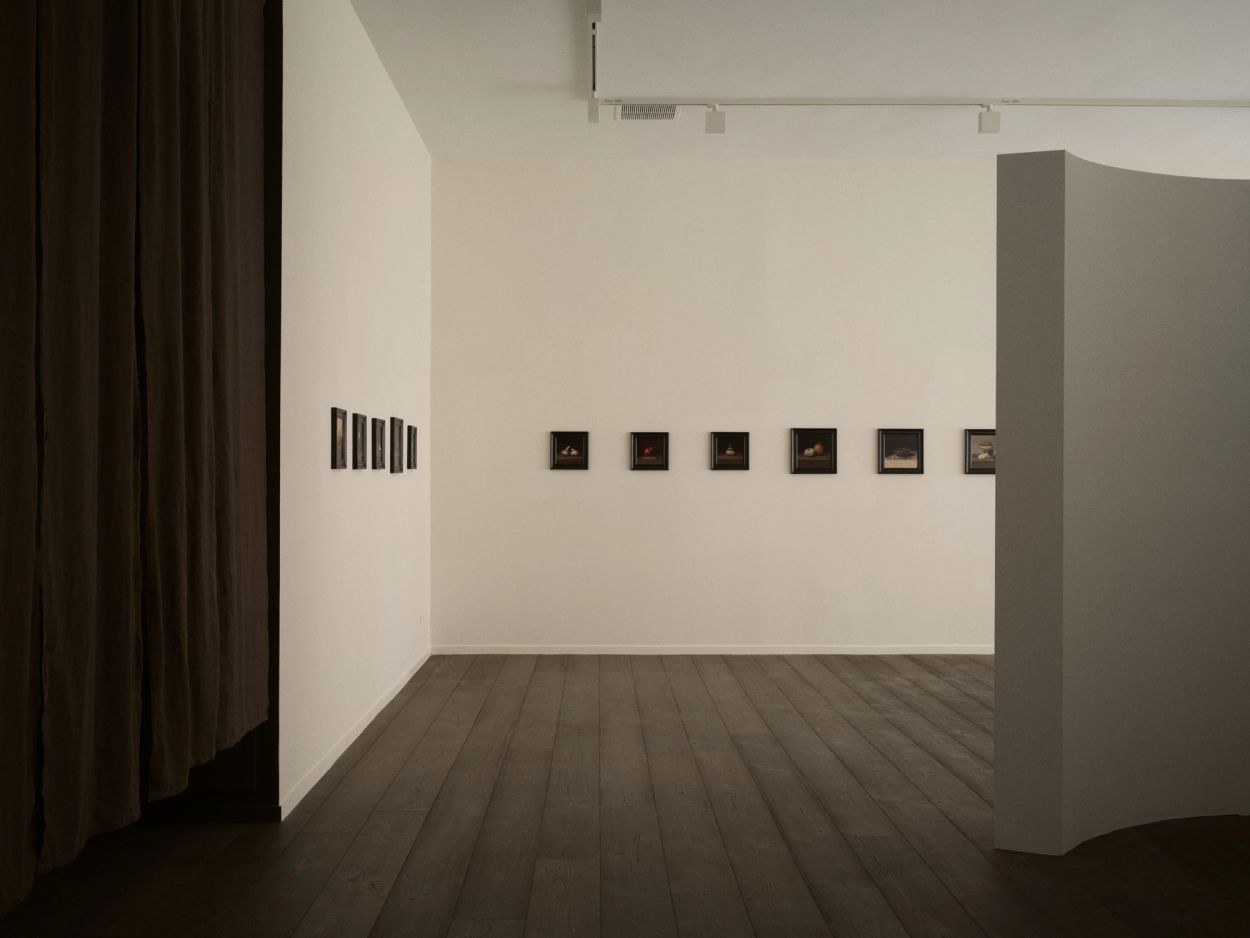
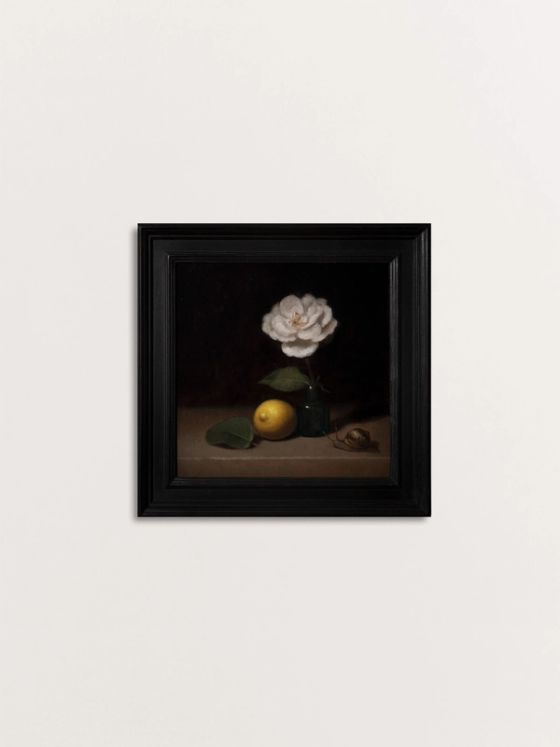
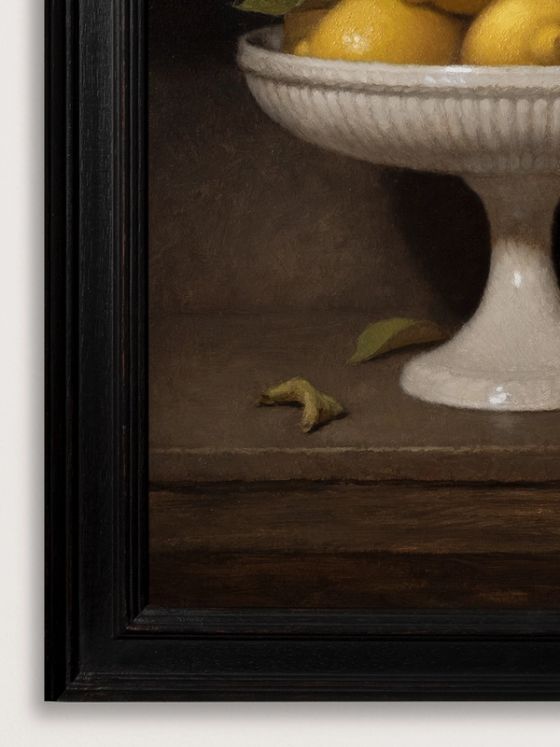
Simple objects, small enough to fit the hand, are painted life-size. A porcelain dish, long- stemmed and low-lipped, is arranged with leafy lemons. A high-walled bowl, in blue-on-white, is crowded with chubby Williams pears. A single stem of white hellebore stands upright in a thick glass vessel.
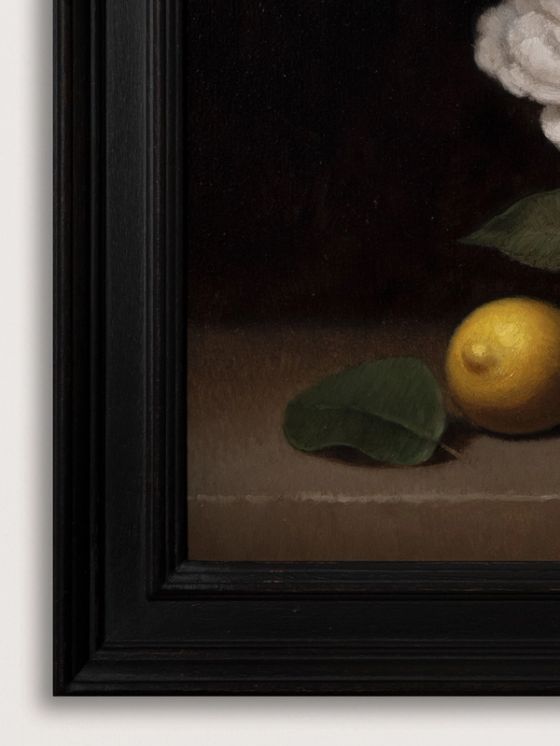
Guided by the principles of classical painting – an intricate process of layering oils of varying saturation and viscosity - for Will Calver the subject at hand is his only variable; each item a collection of qualities to be captured.
Firm, glossy, saturated
Dull, coarse, dimpled
Bright, delicate, velveteen
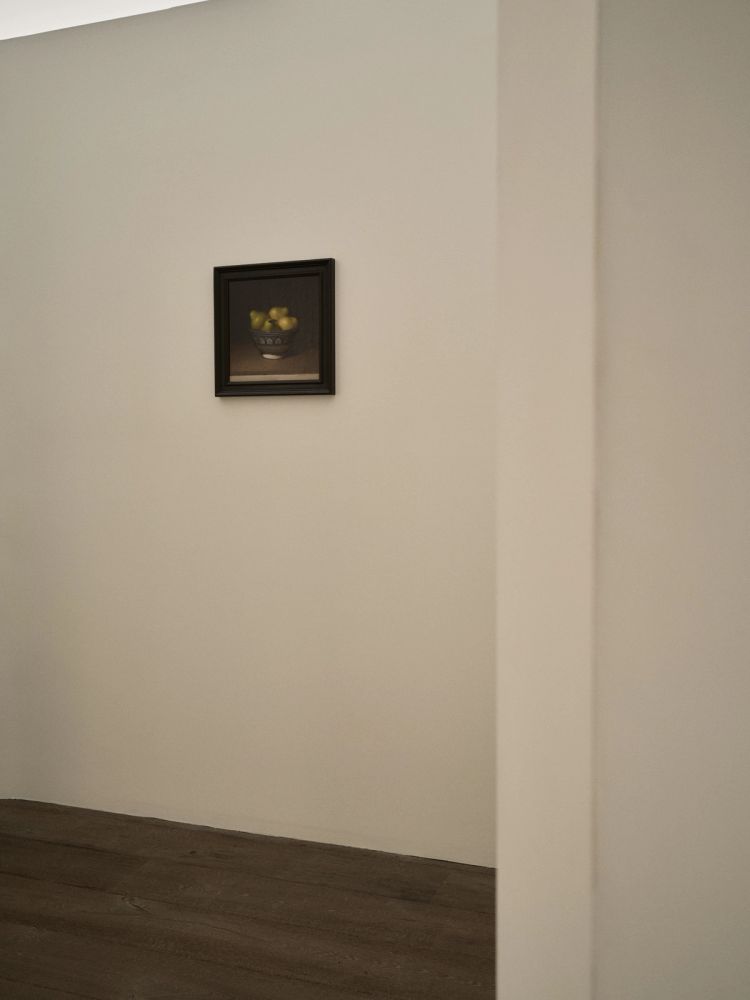
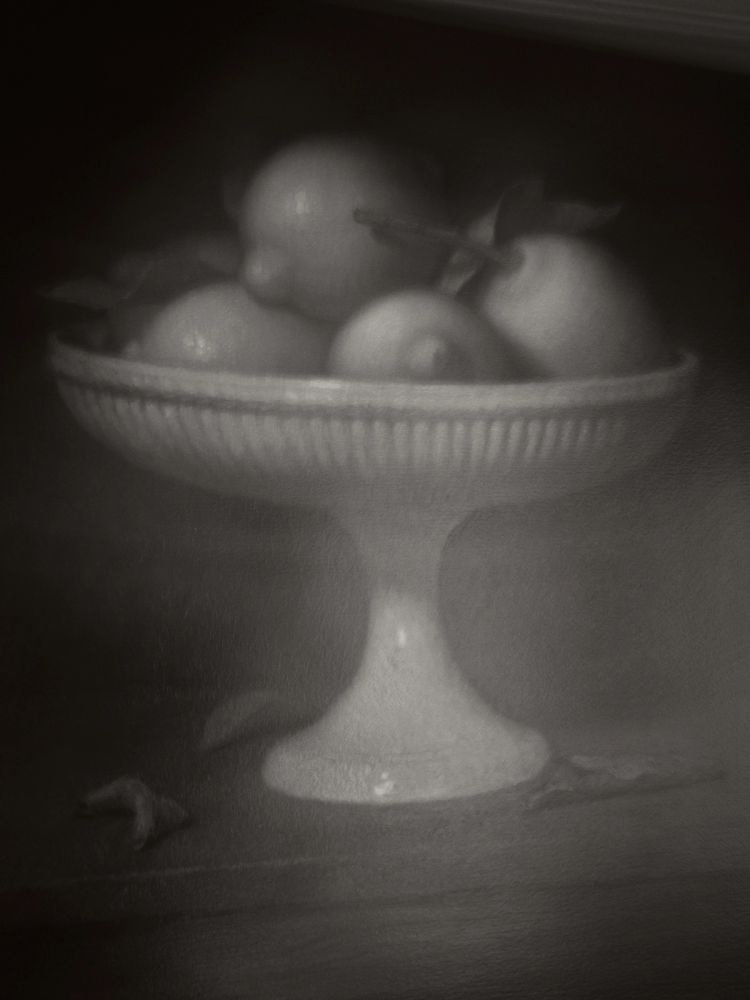
The artist assembles his selection: fruits and flowers picked from the garden; ceramics gathered from around the house; a cloth-bound book plucked from the shelf. Assemblages of texture and tone, colour and hue – their meaning is neither prescriptive nor allegorical, instead - much like a sculptor - the meaning is located in the forms themselves, in the contours, surfaces and shadows.
Calver’s sense of placement, his treatment of light, his manner and methods all remain true to the genre of still life, which reached opulent heights in the work of Jan Davidsz. De Heem (b.1606) - whose mastery of paint is as palpably delicious as the subjects he chose: great tumbles of fruits ripe-to-bursting, oysters that glisten in their shells, and long tendrils of fragrant lemon peel that hang, languorously, from the edge of a table, or the lip of a silver cup.
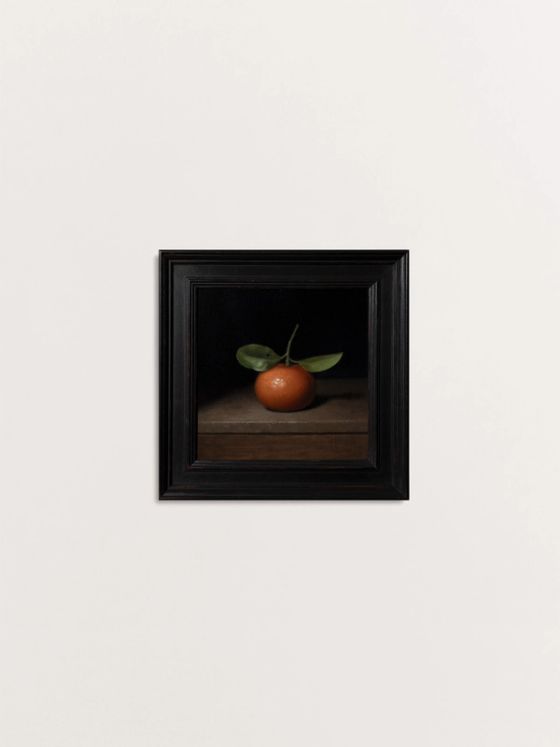
Others offer a more modest scene, and it is these quieter, more quotidian arrangements - presented with less bombast, less high-octane - that ring most true for Calver. Preferring a single clementine over a glut, the individual stem over a riot of blooms, Calver’s compositions have an ease, a lightness-of-touch, that brings to mind the work of Chardin and Coorte, Morandi and William Nicholson.
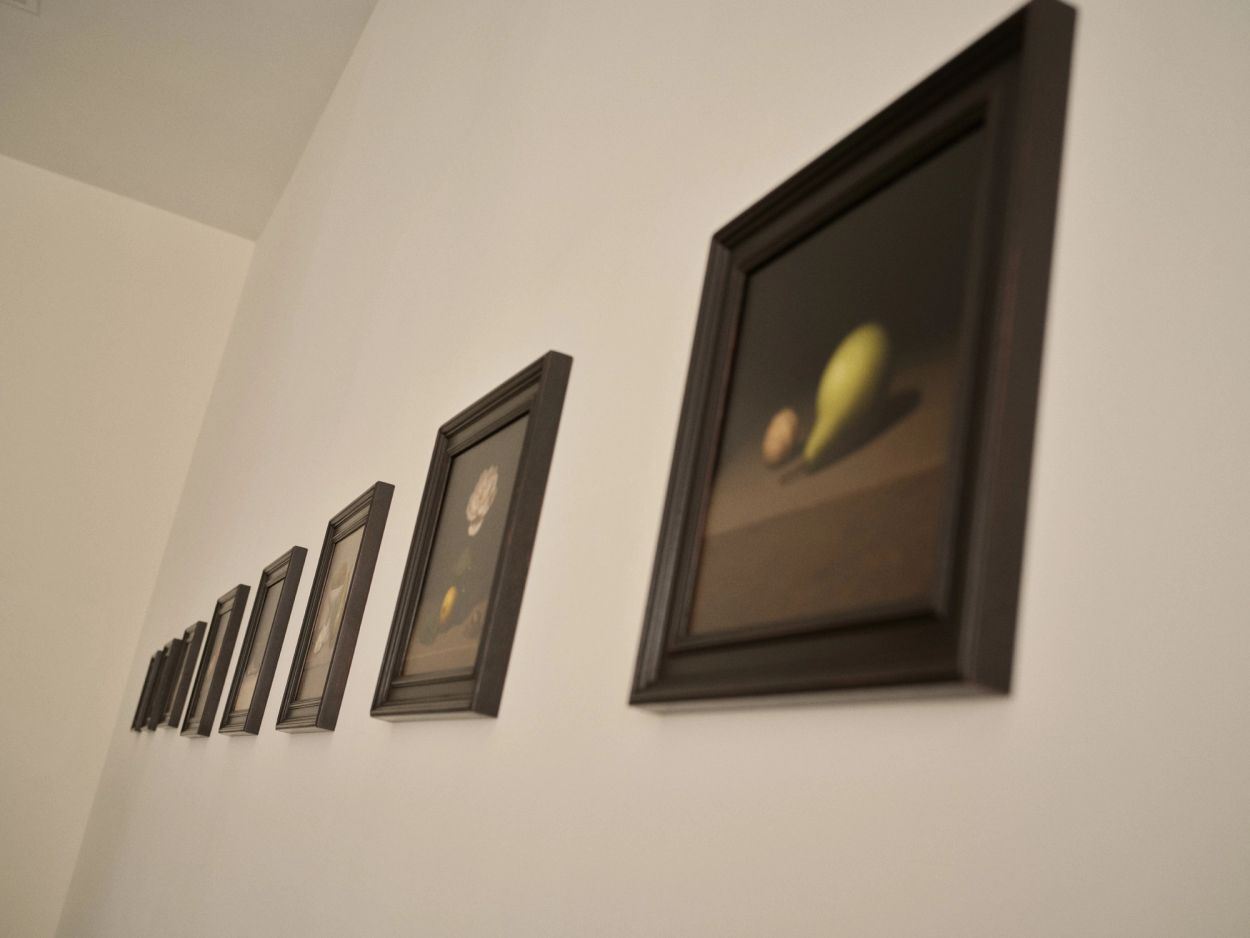
Composed in a shadow box - an open-fronted cube into which items are placed - Calver’s subjects are framed by pure shadow and lit from a single direction to produce higher contrasts, richer definition, truer colours. The shadow box also creates a stage of sorts - described by Norman Bryson as a “semantic space” - where fragments of narrative emerge from the careful arrangement of objects, and where each element acquires exaggerated expressive or gestural qualities. Upon this stage, it becomes possible to read the placement and angle of a leaf as optimist or pessimist, jaunty or forlorn…
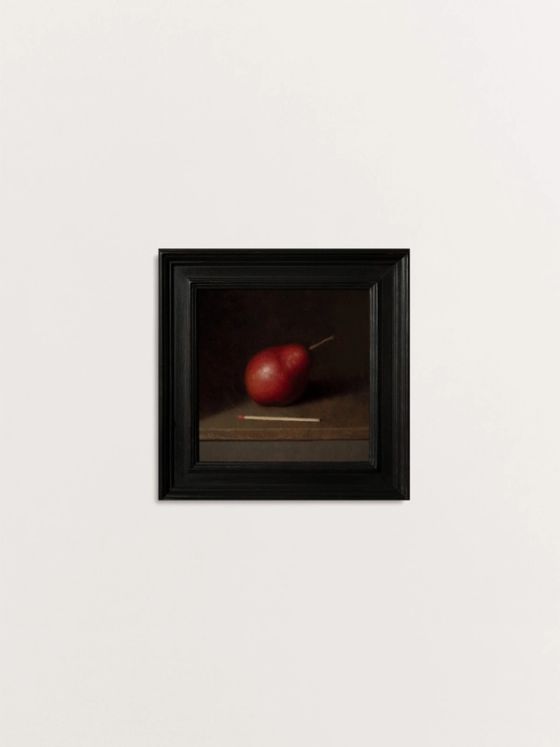
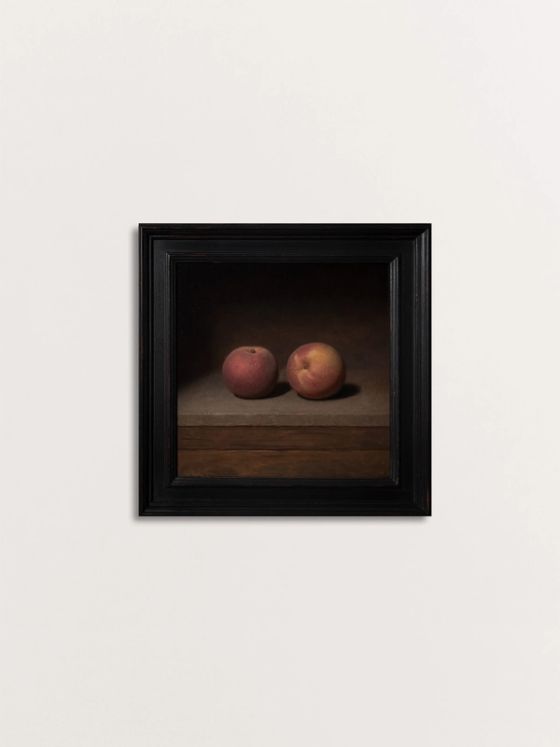
Two bulbs of garlic, with mauve bodies and chalky skins, turn inwards towards one another. Two peaches – one standing upright, the other rolled onto its side, its navel exposed. A pear, replete with stem, points decidedly out-of-frame, whilst the unspent match beside it faces in the opposite direction - its little red head echoed in the skin of the fruit, its proportions recalling those of the woody stalk…
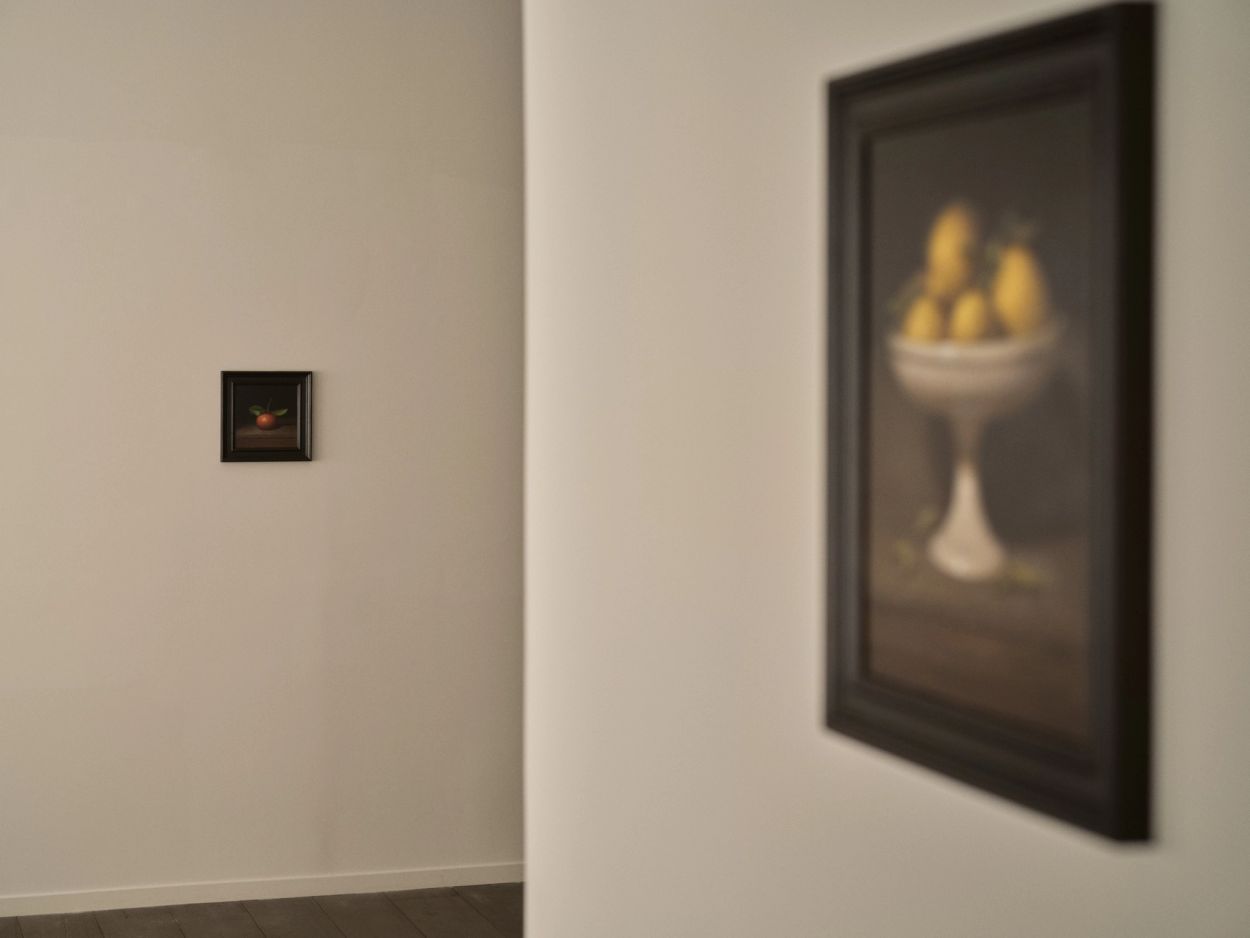
The American poet, Mark Doty, describes experiencing a still life painting as “being held within an intimacy with the things of the world,” and for Calver too, it is as simple, and as complex, as that. The culmination of thousands of brushstrokes and decisions, each painting is the result of many layers: layers of paint - washed flat or daubed fat - of meaning, of intention. This is the work of the artist, and all this, so that we might be absorbed by its seeming simplicity, held in its space, delighted by a tiny fragment of the world.
Words
- Rosanna Robertson
Photos
- Rich Stapleton
Featured works
 LA Gallery
Will CalverClementine, 2025
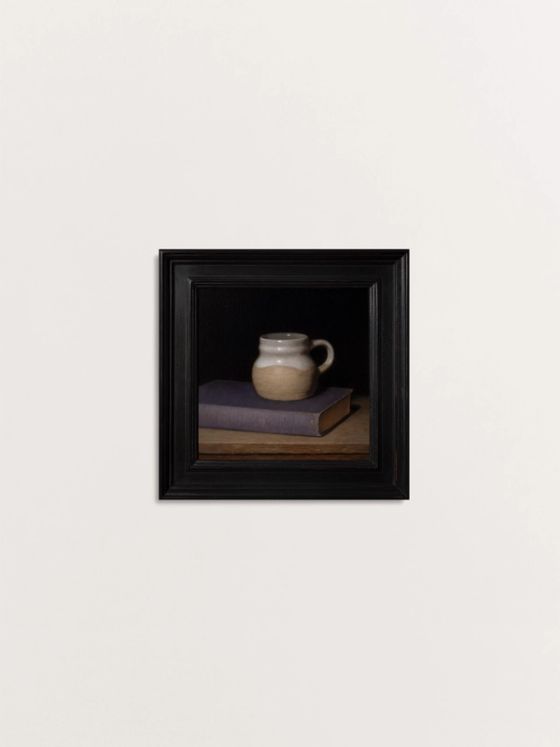
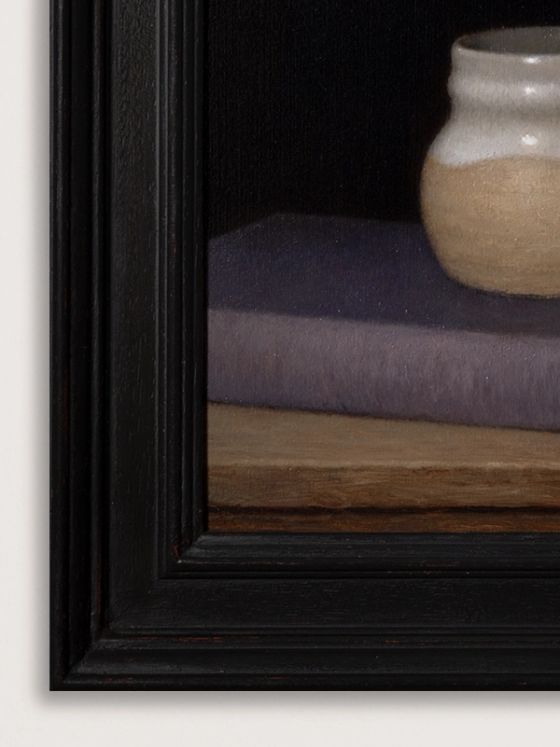
 LA Gallery
Will CalverRed Pear and Matchstick, 2025
 LA Gallery
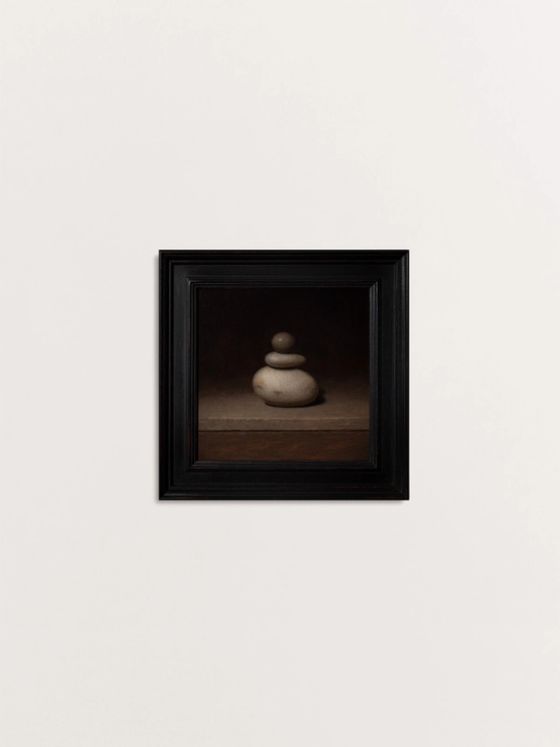
Will CalverA Tower of Pebbles, 2025
 LA Gallery
Will CalverTwo Peaches, 2025
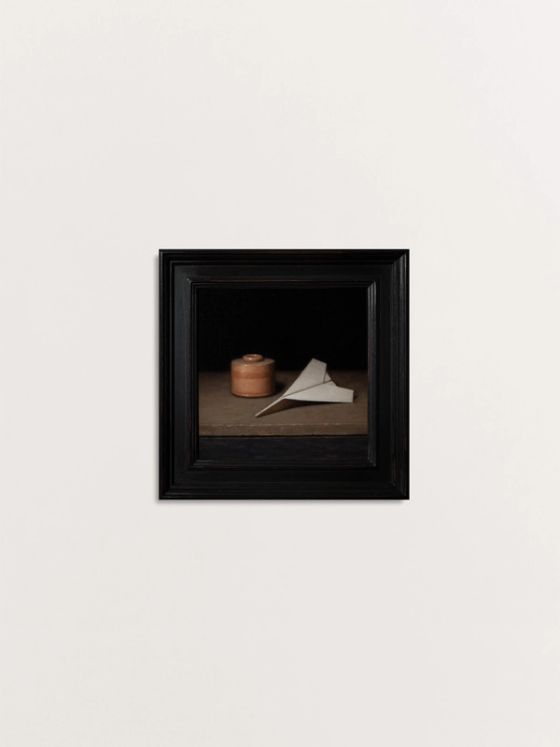
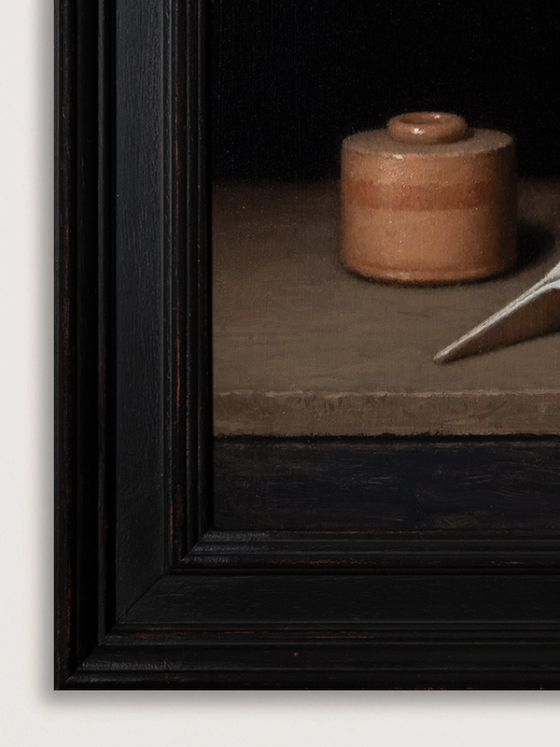
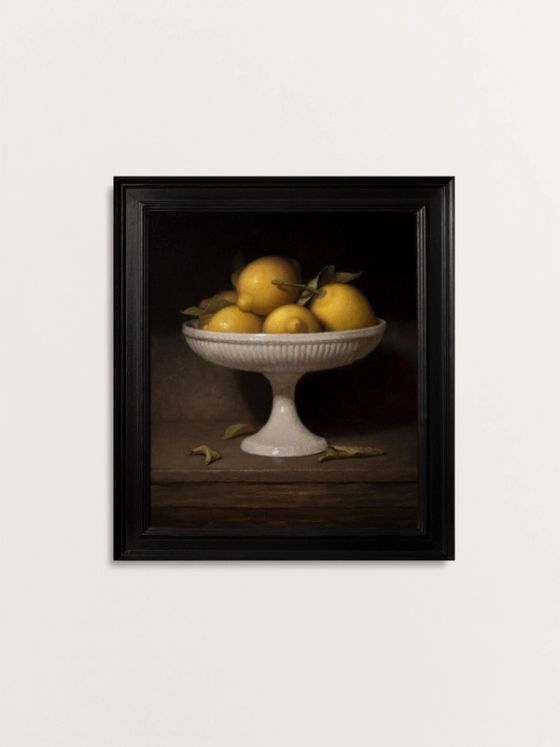
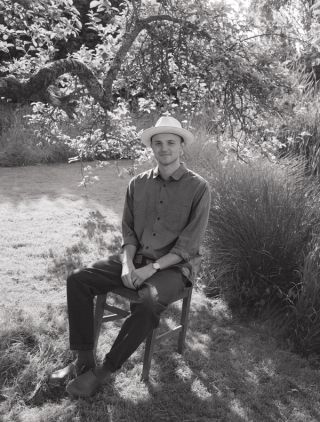
In studying the interactions between light, form and colour, British artist Will Calver’s still lifes convey the quietude and subtle monumentality of everyday objects.
Related exhibitions
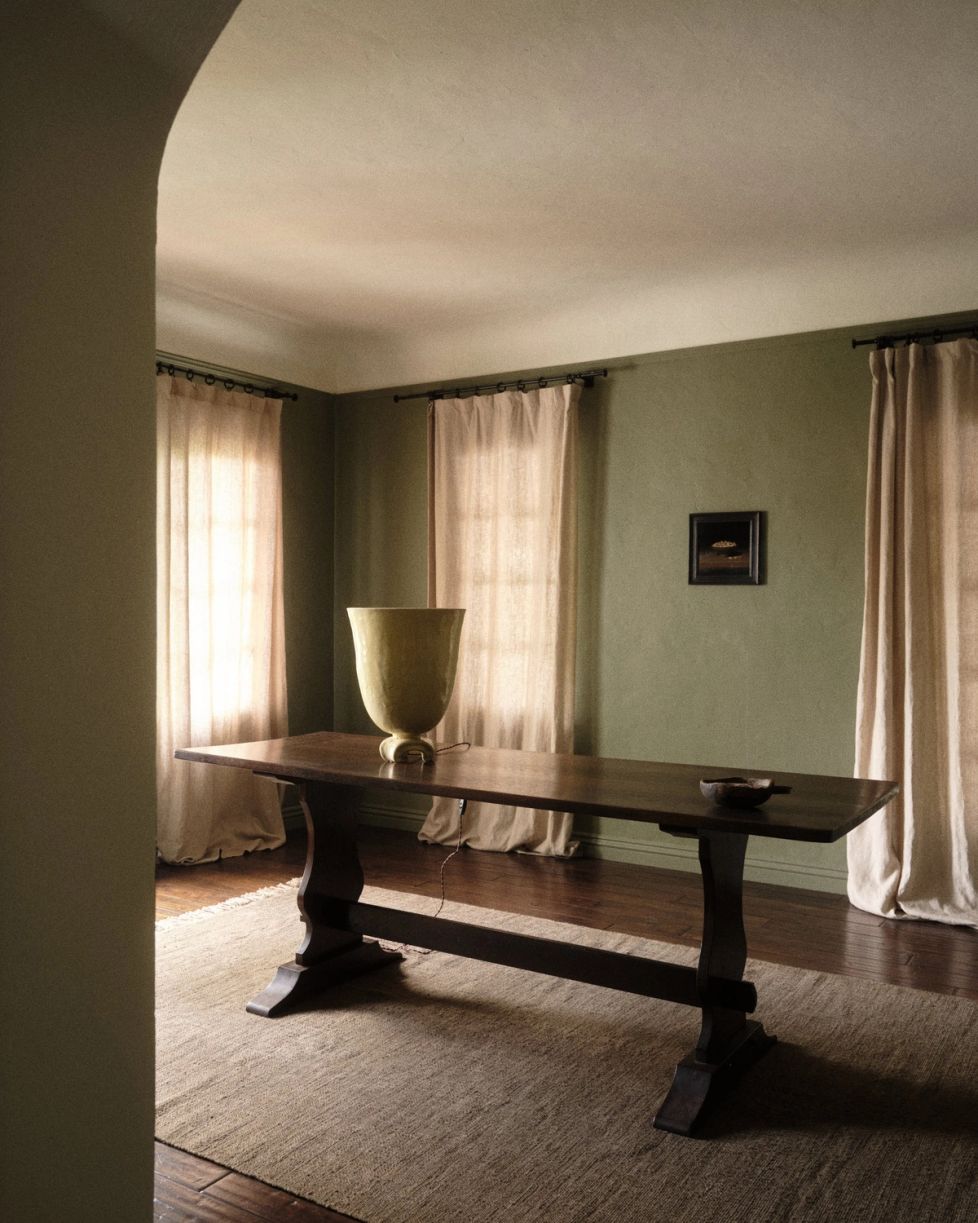
Though the phrase Bap meogeosseoyo? (밥먹었어요?) directly translates to “Have you eaten?”, it is a common greeting in Korean—a time-honored way of asking how someone is doing. Bap, meaning rice or a meal, frequently appears in Korean expressions, reflecting the cultural emphasis on nourishment as a foundation of being. The phrase is also deeply Korean in its politeness: its mundane and specific nature respects the boundaries of privacy while inviting a range of responses. Making use of this as a title, Have you eaten today? draws our attention to eating as one of the most fundamental acts of care, and an intimate form of relating to the world.
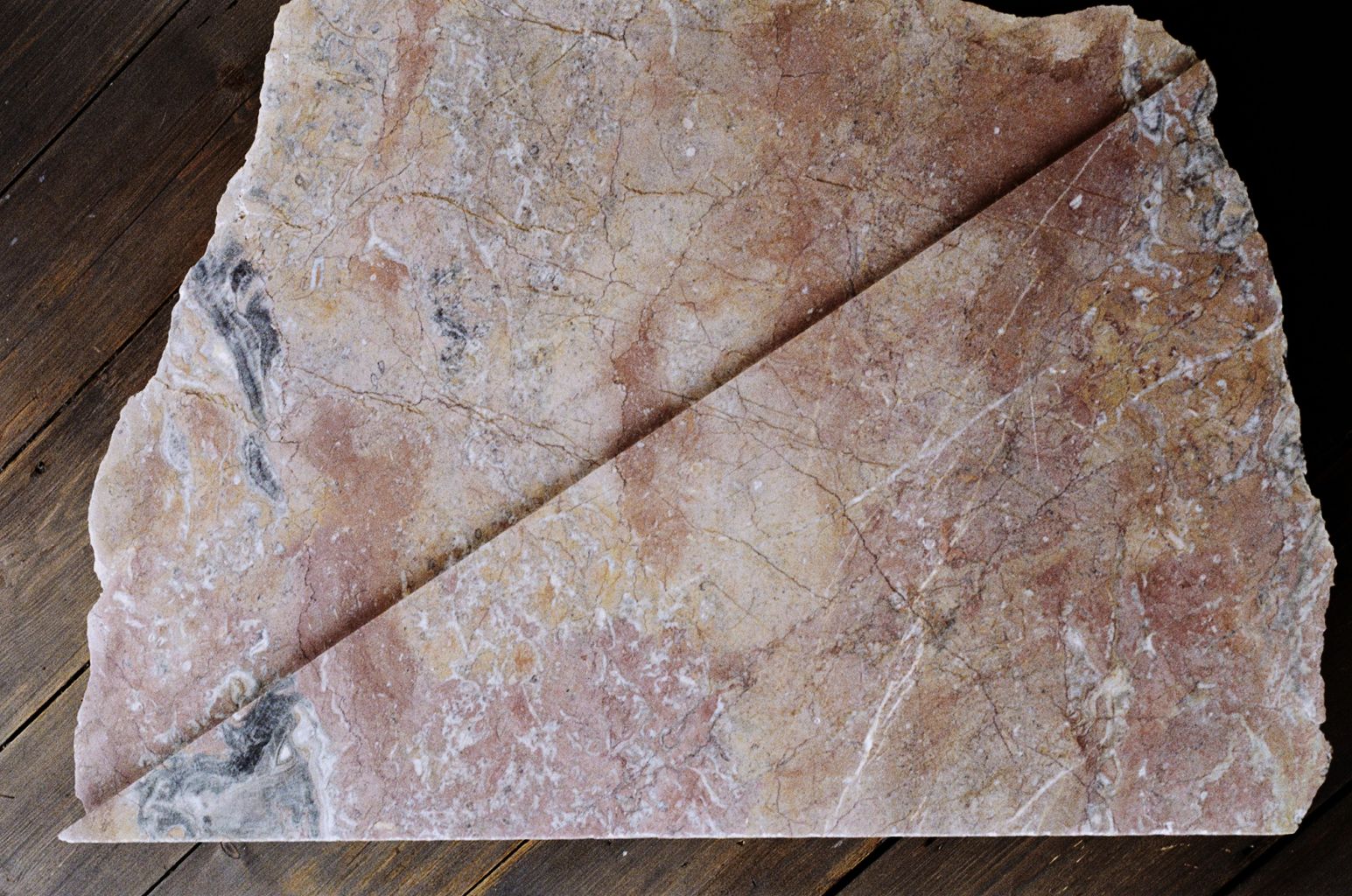
The works of multimedia artist Armando Chant, sculptor Samuel Collins, and painters Bo Kim and Will Calver share a sensitivity to atmosphere, to space between objects, and an exploration of depth, layering, opacity and translucency.